
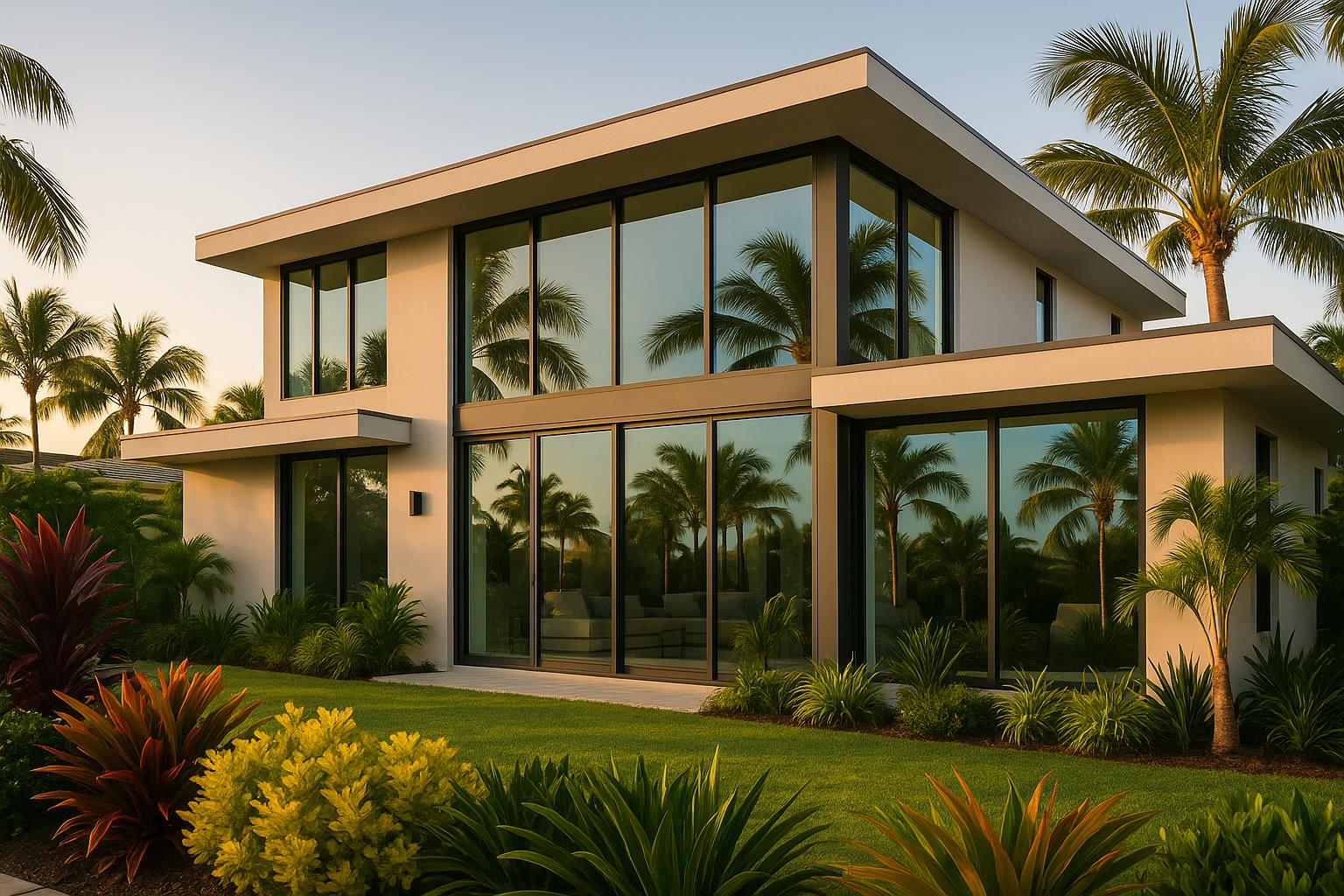
Why Impact Windows Are a Must in Miami Beach
Living in Miami Beach means enjoying ocean breezes, stunning sunsets, and a lifestyle most people only dream about. But it also means preparing for hurricane season every single year. Impact windows have become one of the most important upgrades a homeowner can make — not just for storm protection, but for energy savings, noise reduction, and even boosting your property value.
If you've started researching impact windows, you've probably realized the options can be overwhelming. Different frame materials, glass types, design ratings, and price points make the decision feel complicated. This guide breaks down exactly what you need to know so you can choose the right impact windows for your home with confidence.
Understanding Impact Window Ratings and Codes
Miami-Dade County has some of the strictest building codes in the country when it comes to wind and impact resistance. Any impact window installed in Miami Beach must meet the Miami-Dade Notice of Acceptance (NOA) standards, which require products to withstand large missile impact tests and extreme wind pressures.
When evaluating impact windows, pay attention to these key ratings:
- Design Pressure (DP) Rating: This measures how much wind pressure a window can handle. A higher DP rating means greater resistance. Most homes in our area need a DP rating of 50 or higher, though waterfront properties may require even more.
- Impact Rating: Look for windows tested to the Miami-Dade large missile standard, which involves firing a nine-pound 2x4 lumber at the glass at 34 miles per hour. Products that pass this test earn the coveted NOA certification.
- Energy Performance Ratings: The U-factor measures heat transfer, while the Solar Heat Gain Coefficient (SHGC) measures how much solar radiation passes through. In South Florida's climate, a lower SHGC helps keep cooling costs down.
Always ask your contractor to confirm that any product they recommend carries a valid Miami-Dade NOA. This isn't just about safety — it's often required for insurance discounts and permit approval.
Choosing the Right Frame Material
The frame is just as important as the glass. Here are the most common options for impact windows and how they perform in a coastal environment like Miami Beach:
Aluminum Frames
Aluminum is the most popular choice in South Florida for good reason. It's strong, lightweight, and resistant to corrosion when properly coated. Modern aluminum frames come with thermal breaks that reduce heat transfer, solving the old complaint that metal frames made homes hotter. They also offer slim profiles, which means more glass and better views — something homeowners in South Beach and Bal Harbour particularly appreciate.
Vinyl Frames
Vinyl windows are excellent insulators and tend to cost less than aluminum. They won't corrode or need repainting, making them low-maintenance. However, vinyl can expand and contract with extreme heat, and some homeowners feel the thicker frame profiles don't suit the sleek, modern architecture common in our area. For interior-facing or side windows, vinyl can be a smart budget-friendly option.
Fiberglass Frames
Fiberglass combines the strength of aluminum with the insulating properties of vinyl. It handles temperature changes without warping and can be painted to match any exterior color scheme. The trade-off is a higher price point, but for homeowners looking for a premium, long-lasting solution, fiberglass is worth considering.
Laminated Glass: What's Inside Matters
All impact windows use laminated glass, which consists of two panes bonded together with a strong interlayer — usually polyvinyl butyral (PVB) or ethylene-vinyl acetate (EVA). When something strikes the glass, it may crack, but the interlayer holds the pieces in place, preventing dangerous shards from entering your home and maintaining the building envelope against wind and rain.
Some upgraded options include:
- Insulated laminated glass: Two laminated panes separated by an air or argon gas space, providing superior energy efficiency and noise reduction.
- Low-E coatings: A microscopically thin metallic layer that reflects infrared heat while letting visible light through. This is especially valuable in Miami Beach, where the sun is intense nearly year-round.
- Tinted or reflective glass: Helps reduce glare and solar heat gain. Popular for west-facing windows that take the brunt of afternoon sun.
Style and Design Options
Impact windows come in virtually every style, so you don't have to sacrifice aesthetics for protection. Common configurations include:
- Single-hung and double-hung: Classic choices for traditional and Mediterranean-style homes throughout Surfside and Bay Harbor Islands.
- Horizontal sliding: Perfect for wide openings and easy operation, especially on balconies and patios.
- Casement and awning: Hinged windows that seal tightly and offer excellent ventilation. Great for bathrooms and kitchens.
- Fixed picture windows: Ideal for showcasing ocean views in waterfront properties across North Bay Village and Miami Beach.
- French and sliding glass doors: Impact-rated doors complete the envelope of protection and are essential for homes with large openings to outdoor living areas.
The key is matching the window style to your home's architecture while ensuring every opening meets code requirements.
The Financial Benefits You Might Not Know About
Beyond storm protection, impact windows deliver financial advantages that make the investment easier to justify:
- Insurance premium reductions: Many Florida insurers offer significant discounts — sometimes 25% or more on the wind portion of your policy — when every opening in your home is protected with approved impact products.
- Energy savings: Homeowners in Miami Beach commonly see a 15-25% reduction in cooling costs after upgrading to impact windows with Low-E coatings and insulated glass.
- Increased home value: Real estate agents consistently report that impact windows are one of the top features buyers look for in South Florida. They can increase your home's resale value well beyond the cost of installation.
- Elimination of shutters: No more scrambling to put up plywood or accordion shutters before a storm. Impact windows provide 24/7 protection with zero prep work.
What to Look for in an Installation Contractor
Even the best impact window will fail if it's installed incorrectly. Proper installation includes anchoring the frame to the structural opening, applying the correct sealants, and ensuring the flashing system directs water away from the wall cavity. Here's what to look for when choosing a contractor:
- A valid Florida general contractor or specialty contractor license
- Experience specifically with impact window installations in coastal areas
- Willingness to pull all required permits and schedule inspections
- Product-specific training or certification from the manufacturer
- Strong references from homeowners in Miami Beach and surrounding communities
At Commonwealth Exterior Remodeling, we handle every step of the process — from helping you select the right products for your home's specific exposure and architectural style, to managing permits and ensuring a flawless installation that meets Miami-Dade County's demanding standards.
Ready to Protect and Upgrade Your Home?
Choosing impact windows is one of the smartest decisions you can make as a Miami Beach homeowner. The right windows protect your family, lower your bills, and enhance your home's beauty and value for decades. If you're considering an upgrade, we'd love to walk you through your options and provide a detailed estimate tailored to your property. Reach out to Commonwealth Exterior Remodeling today to schedule a free consultation.